Enhance Your Brand: The Power of Professional Photography in Business Growth
In today's demanding marketplace, the importance of professional photography is undeniable. Businesses that commit to high-quality imagery tend to experience stronger brand recognition and increased consumer trust. The art of visual storytelling is essential in building meaningful relationships with audiences. Nevertheless, not all visuals are designed to achieve the same goal. Learning how to identify the right photographer and apply visuals purposefully can yield remarkable results. What strategies can brands employ to maximize the impact of their imagery?
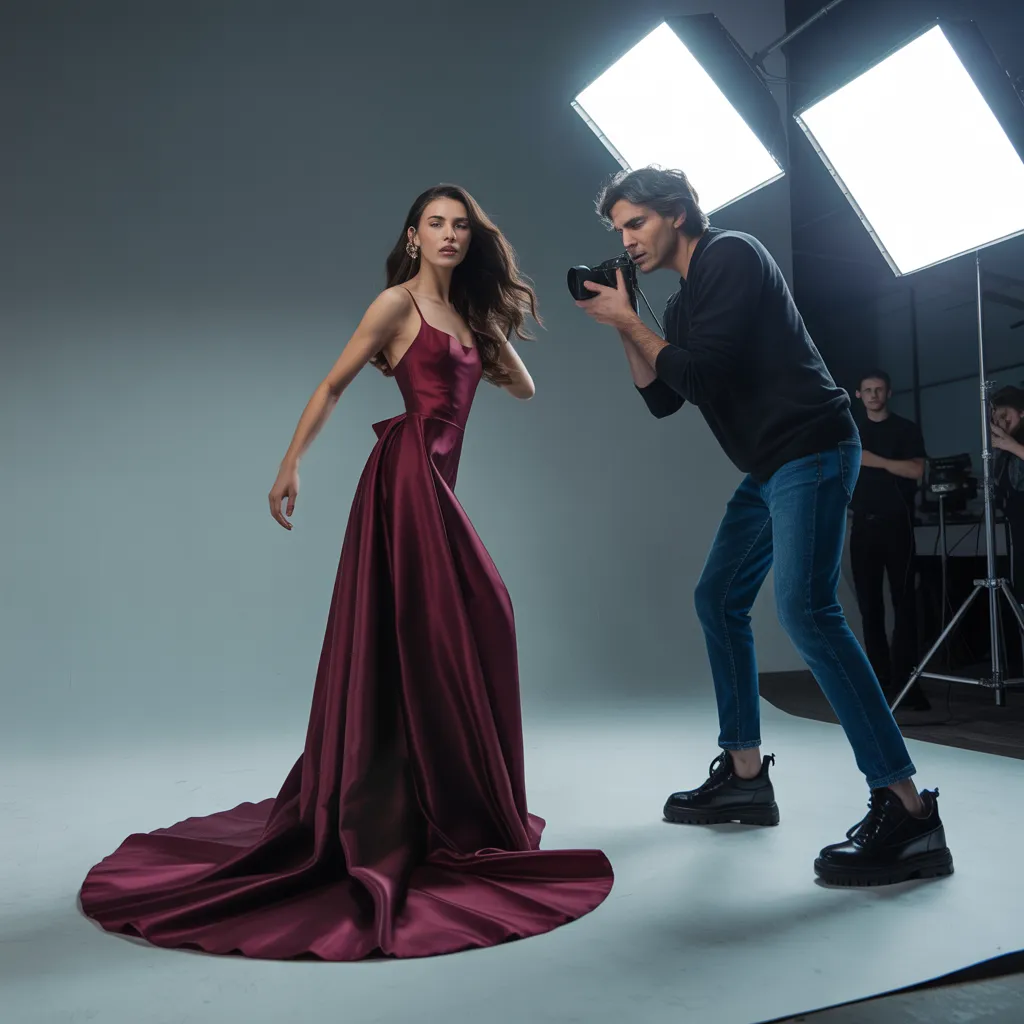
The Importance of Professional Photography You Need to Know
Why should businesses invest in professional photography? The key reason comes down to the impact of first impressions. Superior images can powerfully strengthen a brand's identity, demonstrating expertise and a commitment to quality. In today's image-focused commercial environment, potential customers often judge a business based on its visual content. High-end photography highlights products and services at their finest, attracting and retaining customer interest.
Additionally, uniform and professional visuals aid in building brand awareness and recognition. Being authentic is crucial; expertly crafted visuals can build a compelling story that resonates with audiences. This investment can lead to enhanced interaction across a range of platforms, from online platforms to social media networks.
At the end of the day, companies that invest in high-quality photography emerge as frontrunners in their field, building confidence and reliability. During a time when imagery holds unparalleled power, the need for quality imagery is not just beneficial—it's essential for long-term success.
How Visual Storytelling Shapes Brand Engagement
In the modern competitive environment, visual narratives have risen as a compelling strategy for brand engagement. By building narratives with imagery, companies can forge meaningful bonds with their viewers, rendering their content more impactful and lasting. This approach transcends traditional marketing techniques, allowing companies to communicate their values, mission, and personality through compelling visuals.
Powerful visual communication attracts interest and builds stronger matching information connections, encouraging consumers to invest in the brand. It empowers organizations to display their products and services meaningfully, showing how they add value to everyday experiences. Through carefully curated imagery, brands can highlight their unique selling propositions and differentiate themselves from competitors.
In addition, storytelling through visuals boosts online visibility, as compelling content expands reach and promotes audience involvement. Through leveraging compelling imagery that appeals to key demographics, organizations can develop loyalty and stimulate engagement, thereby supporting sustained business growth.
How High-Resolution Images Foster Consumer Trust
High-quality images serve as a cornerstone for cultivating consumer trust in today's digital marketplace. They provide a graphic illustration of a brand's identity, conveying professionalism and attention to detail. When consumers encounter crisp, well-composed photos, they are inclined to perceive the brand as credible and reliable. This perception is vital, especially in an environment saturated with rivals and misleading content.
In addition, professional images significantly improve the overall user experience, turning websites and social media platforms into more engaging spaces. They enable prospective customers to picture products or services, building a sense of familiarity and trust. As shoppers increasingly turn to visual signals to shape their buying decisions, organizations that commit to professional photography stand out among their competitors.
Fundamentally, the impact of premium images transcends simple visual elements; they establish a robust foundation for trust, promoting customer loyalty and supporting business success.
How to Select the Best Photographer
Picking the right photographer is essential for connecting visual content with a brand's identity. It requires clearly defining the company vision, reviewing the quality of the photographer's portfolio, and examining budget options. By addressing these key factors, businesses can reach informed decisions that strengthen their visual presence.
Clarify Your Brand Vision
A precise brand identity acts as the cornerstone for selecting the right photographer. Businesses must first establish their identity, values, and target audience, as this insight guides the photography style needed to clearly express their message. Understanding whether the brand gravitates toward a sleek, modern look or a vibrant, dynamic approach is vital. Moreover, establishing targeted aims—such as enhancing online presence or producing powerful marketing assets—will influence the selection of a photographer whose skill set matches these objectives. By understanding the intended emotional impact from the target market, companies can guarantee they identify a photographer who can reflect the spirit of their brand vision. This deliberate coordination ultimately enhances the overall effectiveness of the brand imagery.
Evaluate Portfolio Quality
When reviewing photographers, the quality of their portfolio serves as a vital indicator of their skills. A thorough portfolio showcases a breadth of styles and subjects, allowing potential clients to evaluate the photographer's versatility and technical skills. It is critical to look for uniformity in image quality, lighting, and composition, as these elements reflect the photographer's dedication to detail. Furthermore, examining past work relevant to the particular industry can offer insight into how well the photographer comprehends branding and marketing requirements. Case studies or testimonials accompanying the portfolio may further enhance credibility. At the end of the day, a well-curated portfolio not only showcases artistic vision but also indicates the photographer's ability to deliver results that correspond with a business's goals.
Review Your Budget Options
Reviewing portfolio standards sets the foundation for selecting the right photographer, but cost factors are equally important in the decision-making process. Businesses must establish a precise budget that corresponds to their business objectives. This budget should account for not only the photographer's fees but also potential additional costs, such as licensing, travel, and editing costs. Evaluating several photographers enables organizations to strike a compromise between cost and quality. It is crucial to clearly express requirements and expectations early to eliminate surprise charges. Moreover, some photographers could provide special packages or price reductions for more extensive projects, offering additional choices for financially mindful organizations. In the end, careful financial planning can produce a productive partnership that strengthens brand identity without exceeding the budget.
Utilizing Images Efficiently Across Platforms
Harnessing the strength of images can considerably improve a business's visibility across numerous platforms. Strategic image utilization requires an understanding of the unique characteristics of each platform. For example, vibrant, eye-catching visuals work well on social media, attracting user participation and reach. In contrast, polished, refined images are vital for websites and e-commerce platforms, where they build trust and credibility.
In addition, a consistent visual style—color schemes, fonts, and image quality—bolsters brand identity. Tailoring images to specific formats, like square crops for Instagram and landscape orientations for Facebook, provides the best display and viewer experience. Additionally, incorporating images in email marketing may substantially improve open and click-through rates.
Case Studies: Insights From Leading Brands
Leading companies reveal the significant influence of high-quality photography on business outcomes. To illustrate, a distinguished beauty company revamped its marketing strategy by leveraging high-resolution images that presented its offerings in organic environments. This shift resulted in a 30% growth in e-commerce sales across a six-month timeframe, confirming the strength of visually appealing content.
Similarly, a upscale hotel group utilized expert photography to feature its distinctive amenities and stunning views. The stunning visuals not only elevated their website but also boosted social media interactions, leading to a 50% increase in direct reservations.
Another example highlights a apparel company that embraced a unified brand aesthetic through expert photography sessions. This approach not only elevated its brand image but also built a committed clientele, demonstrated by a 40% growth in repeat purchases. These case studies highlight how the purposeful adoption of expert photo production can considerably improve brand perception and fuel commercial growth.
Common Questions and Answers
What Should I Expect to Pay for Professional Photography Services?
Setting aside funds for professional photography services usually spans from $500 to $5,000, influenced by elements including project complexity, the photographer's experience level, and usage rights. Companies should evaluate their requirements to establish a suitable budget within this range.
Can Stock Photos Be Used as an Alternative to Hiring a Professional?
Employing stock photography may serve as a budget-friendly option to working with a professional photographer, but they may lack authenticity and uniqueness. Organizations need to evaluate the benefits of originality against financial limitations when deciding on visual content.
How Often Should I Update My Brand Images?
Brands must renew their imagery every 1-2 years to keep pace with evolving trends and maintain relevance. Frequent updates ensure the brand aesthetic current, engaging audiences and building lasting brand loyalty through steady, polished imagery.
Which Types of Photography Work Best for My Industry?
Lifestyle, product, and event photography are essential across most industries. Organizations should concentrate on high-caliber photography that engage their desired demographic, showcasing professionalism and authenticity to improve brand perception and customer engagement effectively.
How Do I Measure the Effect of Photography on My Brand?
To measure photography's impact on a brand, one can review engagement data, monitor conversion rates, obtain customer feedback, and measure brand perception through surveys, ultimately assessing how visual content influences overall business performance.